

TB500 Mechanism: How This Peptide Fragment Works
TB-500 is the trade name for Ac-LKKTETQ, a synthetic N-acetylated heptapeptide built to mimic the actin-binding domain of thymosin β4 (Tβ4). Its proposed TB500 mechanism centers on binding G-actin, freeing monomers for faster cell migration, supporting angiogenesis, and dampening fibrotic signaling. Here is the catch researchers need up front: most of that mechanistic and efficacy evidence comes from the full-length 43-amino-acid Tβ4 molecule, not the smaller TB-500 fragment. Direct TB-500 human data are limited mainly to metabolite detection work and in vitro screening, not controlled repair trials.
- Core molecule: Ac-LKKTETQ, residues 17-23 of thymosin β4
- Proposed mechanism: actin sequestration, cytoskeletal remodeling, migration, and angiogenesis
- Evidence base: dominated by full-length Tβ4 studies, with a 2026 scoping review confirming TB-500-specific data remain sparse and mostly preclinical
Key Takeaways
TB-500’s proposed mechanism relies on actin sequestration to drive migration and angiogenesis, but that model rests mostly on full-length thymosin β4 data, not the fragment itself.
| Point | Details |
|---|---|
| Molecular identity | TB-500 is Ac-LKKTETQ, residues 17-23 of thymosin β4, N-acetylated for added stability. |
| Mechanism is inferred, not proven | Actin binding, migration, and angiogenesis data mostly come from full-length Tβ4, not TB-500 directly. |
| Preclinical data outweighs human data | Wound and corneal models show the most consistent findings; musculoskeletal evidence stays sparse. |
| Detection is sensitive | WADA-developed assays report limits of detection as low as 50 pg/mL for certain TB-500 metabolites. |
| Source verified material | Neolabpeptides supplies HPLC and mass spec verified TB-500 with a Certificate of Analysis for research use only. |
Table of Contents
- What Is TB500’s Origin and How Does It Differ From Tβ4?
- How Does TB500 Work at the Molecular Level?
- What Do Preclinical Studies Show About Tissue Repair?
- Is There Human Evidence for TB500’s Mechanism?
- How Is TB500 Handled in Research Settings?
- Is TB500 Safe, and What Is Its Regulatory Status?
- What Are the Biggest Gaps in TB500 Research?
- How Should Researchers Design TB500 Mechanism Studies?
- Where Is TB500 Research Headed?
- Where to Source Research-Grade TB500 for Your Lab
- Frequently Asked Questions About TB500 Mechanism
- Sources
What Is TB500’s Origin and How Does It Differ From Tβ4?
TB-500 is not a whole protein. It is a seven-residue fragment, Ac-LKKTETQ, corresponding to amino acids 17 through 23 of thymosin β4, the actin-binding domain thought to drive much of Tβ4’s cellular activity. The N-terminal acetylation is not cosmetic. It slows enzymatic degradation, giving the short peptide more staying power in solution and, researchers hope, in tissue.
Full-length Tβ4 runs 43 amino acids and does more than bind actin. It carries additional domains implicated in nuclear signaling, broader cytoprotective activity, and interactions beyond the cytoskeleton that a seven-residue fragment simply cannot replicate. PubChem’s compound entry documents the molecular weight and structural metadata that make this size difference concrete rather than theoretical.
The naming confusion matters for anyone reading the literature critically:
- TB-500 is frequently marketed as the “active region” of Tβ4, implying functional equivalence
- Most peer-reviewed human clinical work refers to full-length Tβ4, not the fragment
- TB-500 also circulates as a veterinary product, which is part of why the World Anti-Doping Agency has invested in metabolite detection work specific to this compound
Understanding this distinction is the difference between reading the evidence accurately and overstating what a seven-amino-acid fragment has actually been shown to do. Our TB-500 research overview breaks down the sequence relationship in more structural detail.
How Does TB500 Work at the Molecular Level?
The leading hypothesis is straightforward: TB-500 binds G-actin (monomeric actin) and modulates the balance between G-actin and F-actin (filamentous actin), the polymer form that builds a cell’s structural scaffolding. Earlier biochemical work on thymosin β4 demonstrated stoichiometric G-actin binding that maintains a pool of unpolymerized monomers, and researchers extrapolate that TB-500’s shared binding motif does something similar.
That matters because actin polymerization drives lamellipodia and filopodia formation, the leading-edge structures a cell extends when it migrates. A cell with more available actin monomer can build these structures faster, which in principle speeds migration in fibroblasts, endothelial cells, and keratinocytes, the three cell types most repair research focuses on.
The downstream signaling picture gets more speculative the further you move from actin itself:
- Endothelial migration and tube formation (a proxy for angiogenesis) show consistent effects in vitro, often linked to VEGF upregulation and Akt/mTOR pathway activity
- NF-κB suppression and a shift from M1 to M2 macrophage phenotypes appear in several preclinical inflammation studies, suggesting an anti-inflammatory layer to the mechanism
- TGF-β modulation shows up in fibrosis and ECM remodeling work, which is the basis for anti-fibrotic claims
Here’s where evidence strength diverges sharply. The actin-binding claim itself rests on solid biochemistry, mostly using full-length Tβ4. The angiogenesis and migration data are stronger in vitro than in vivo. The anti-inflammatory and anti-fibrotic mechanisms are plausible extensions of Tβ4 biology, but direct TB-500 confirmation is thin. One mechanistic summary notes the seven-residue motif shows angiogenic and migration activity in vitro at concentrations around 50 nanomolar, which supports the fragment-activity argument without settling whether that translates to whole-organism repair.
Pro Tip: When designing in vitro migration assays, run TB-500 and full-length Tβ4 side by side at matched molar concentrations. Without that comparator, you cannot tell whether an observed effect reflects the fragment’s own activity or simply mirrors what the parent peptide already does.
What Do Preclinical Studies Show About Tissue Repair?
Preclinical tissue-repair data span four main categories: skin wounds, corneal injury, cardiac ischemia, and musculoskeletal tissue, but the density of evidence is not even across them. Wound and corneal models carry the most consistent findings; musculoskeletal data remain comparatively sparse despite being the primary reason many researchers investigate this peptide in the first place.
Endpoints vary in how clinically meaningful they are. Angiogenesis is usually measured through tube-formation assays or VEGF marker expression, cell migration through scratch-wound or transwell assays, and tissue remodeling through histologic scar reduction or collagen and extracellular matrix analysis. A PMC evidence synthesis notes that many studies stop at these molecular or cellular readouts rather than measuring functional recovery, which is a meaningful gap when the goal is understanding real tissue healing.
| Model / Tissue | Primary Outcome Measured | Evidence Type |
|---|---|---|
| Dermal wound | Cell migration, angiogenesis markers | Mostly in vitro/animal, full-length Tβ4 |
| Corneal injury | Epithelial healing, migration assays | Animal and limited human formulations |
| Cardiac ischemia | Angiogenesis, apoptosis reduction | Animal models, full-length Tβ4 |
| Hepatic/dermal fibrosis | Collagen/ECM remodeling, MMP expression | Animal models |
| Musculoskeletal (tendon) | Sparse; limited functional/biomechanical data | Minimal, mostly anecdotal or unpublished |
The MDPI scoping review is the most useful single reference here because it maps this exact imbalance: the literature is dominated by full-length Tβ4 studies, and direct TB-500 efficacy data remain minimal, concentrated in preclinical and analytical work rather than controlled repair trials. Anyone citing “TB-500 heals tendons” as an established fact is almost always citing Tβ4 data by proxy.
Is There Human Evidence for TB500’s Mechanism?
Direct TB-500 human evidence is thin. What exists leans toward metabolite detection and pharmacokinetic characterization rather than controlled trials measuring tissue repair outcomes. That’s a meaningfully different evidence category from efficacy research, and conflating the two is one of the most common errors in how this peptide gets discussed online.
Full-length Tβ4 has a modestly stronger human record. Ophthalmic formulations and limited cardiac infusion work have produced some human safety signals, though sample sizes remain small and indications narrow. None of that data was generated using the TB-500 fragment.
If you’re evaluating an off-label or observational human report involving TB-500, treat it with the same skepticism you’d apply to any unregistered intervention:
- Ask whether the material carries a Certificate of Analysis backed by HPLC and mass spectrometry, since purity varies widely across suppliers
- Check whether dosing is transparent and consistent with anything published, rather than anecdotal
- Note concomitant use of other peptides, particularly BPC-157 stacking, which makes attributing any observed effect to TB-500 alone nearly impossible
- Recognize that extrapolating Tβ4’s human safety data to TB-500 assumes pharmacokinetic equivalence that has not been established
The scoping review’s own framing is blunt on this point: TB-500-specific human evidence is “minimal,” a word choice that undersells how large the gap actually is between marketing claims and registered trial data.
How Is TB500 Handled in Research Settings?
Research protocols for TB-500 typically use subcutaneous injection, with topical and intravenous routes appearing occasionally in older Tβ4 work. It’s worth being precise here: intravenous infusion safety data exist mainly for full-length Tβ4, not the fragment, so route-specific safety claims should not be assumed interchangeable.
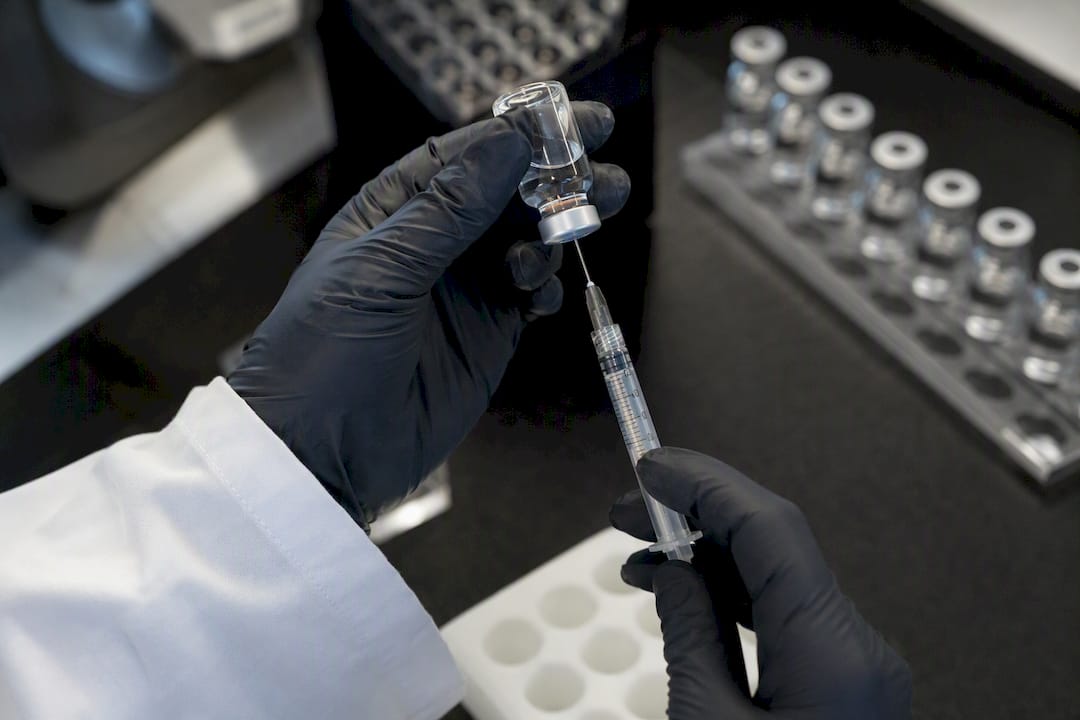
Pharmacokinetics for a small, seven-residue peptide bring their own headaches. Proteolytic cleavage happens quickly for unprotected peptides, which is exactly why N-terminal acetylation matters for TB-500’s stability. WADA’s metabolism work has characterized specific metabolites and reference standards, giving the field one of its few solid analytical anchors even though broader human PK data remain absent.
Quality expectations for research-grade material should include:
- Third-party HPLC and mass spectrometry verification, generally reported above 98% purity
- A Certificate of Analysis accompanying every lot, not just a product listing
- Lyophilized storage with documented reconstitution procedures, often using bacteriostatic water
- Batch-specific documentation rather than generic purity claims applied across a product line
Pro Tip: If your protocol includes in vivo metabolite tracking, use a deuterated (heavy) internal standard alongside LC-MS verification. This lets you distinguish parent peptide from degradation products with far more confidence than a single-point purity check ever will.
Our buying guide for research-grade TB-500 covers COA interpretation in more depth, and the transdermal peptide delivery guide is useful if your protocol involves comparing delivery routes.
Is TB500 Safe, and What Is Its Regulatory Status?
Short-term safety data for full-length Tβ4 infusions look reasonably clean in the small trials that exist, but “reasonably clean in small trials” is not the same as an established human safety profile. For TB-500 specifically, dedicated toxicology and immunogenicity studies are essentially absent from the published record, which leaves a real gap for anyone extrapolating dosing from anecdotal use.
TB-500 is not FDA-approved for systemic human administration. FDA documentation addresses peptide compounding oversight more broadly, and that regulatory attention has direct implications for how TB-500 can be legally sourced and used, research settings included.
Sport governance adds another layer. WADA’s metabolism and detection research has synthesized TB-500-specific metabolites and reference standards, with reported limits of detection as low as 50 pg/mL for some metabolites in urine screening. That level of sensitivity means athletes should assume detectability windows are longer than casual use might suggest.
Practical safety checklist for laboratory work:
- Never administer research peptides to humans or animals outside an approved, IRB or IACUC-reviewed protocol
- Document informed consent procedures wherever human-adjacent research is involved
- Treat TB-500 and Tβ4 as pharmacologically distinct until head-to-head toxicology says otherwise
- Assume detection sensitivity is high; do not rely on outdated assumptions about metabolite clearance
What Are the Biggest Gaps in TB500 Research?
The field’s most consequential gap is the absence of registered TB-500 randomized controlled trials. Nearly everything cited as “TB-500 evidence” is either full-length Tβ4 data, in vitro fragment work, or animal studies, none of which substitutes for controlled human trials measuring actual repair outcomes.
Other priority gaps stack on top of that one:
- Validated human pharmacokinetic data specific to the fragment, not inferred from Tβ4
- Standardized dosing protocols; current practice is largely improvised
- Long-term safety and immunogenicity data beyond short-duration studies
- Head-to-head mechanistic comparisons between TB-500 and full-length Tβ4 at matched concentrations
These gaps compound each other. Publication bias toward positive preclinical signals means the literature likely overrepresents success, while heterogeneous experimental models (different cell types, species, concentrations) make cross-study comparison unreliable. Near-term priorities should include standardized metabolite assays, GLP-grade toxicology work specific to TB-500, and small, controlled human pharmacodynamic studies tracking migration and angiogenesis biomarkers rather than jumping straight to efficacy claims.
How Should Researchers Design TB500 Mechanism Studies?
Interpretable data starts with experimental design that isolates the fragment’s own activity from assumptions borrowed off Tβ4.
- Run matched full-length Tβ4 controls at equivalent molar concentrations in every migration and angiogenesis assay.
- Select cell types deliberately. Endothelial cells, fibroblasts, and keratinocytes each answer a different mechanistic question; don’t default to one.
- Pair functional assays with molecular readouts. Scratch-wound and transwell migration assays should be reported alongside phalloidin staining for F-actin distribution.
- Verify peptide identity before every experiment. LC-MS confirmation of the intact Ac-LKKTETQ sequence prevents attributing effects to degraded material.
- Track relevant biomarkers systematically: VEGF and Akt for angiogenesis, IL-6 and TNF-α for inflammation, and M1/M2 macrophage ratios where inflammatory modulation is the hypothesis.
Reproducibility non-negotiables:
- Blind outcome scoring wherever histology or imaging is involved
- Batch-matched controls across replicate experiments
- Full disclosure of peptide sequence, modification (acetylation), and supplier Certificate of Analysis in methods sections
Pro Tip: If your study includes an in vivo component, add a metabolite-tracking arm using heavy internal standards. It maps cleavage patterns and detection limits in your specific model system rather than relying on WADA’s human/equine data, which may not transfer cleanly to your species or tissue of interest.
Our peptide third-party testing guide walks through COA interpretation standards that support this kind of rigorous reporting.
Where Is TB500 Research Headed?
The gap between market enthusiasm and clinical validation for TB-500 is wider than most product pages let on, and closing it will take patience the supplement world rarely shows. Expect the near-term trajectory to look incremental rather than dramatic: better-standardized metabolite assays building on WADA’s existing reference work, small human pharmacodynamic studies measuring migration and angiogenesis biomarkers before anyone attempts a large randomized trial, and probably combination research pairing TB-500 with peptides like BPC-157, which will demand its own toxicology rather than borrowing safety assumptions from either compound alone.
I’d push back on treating TB-500 and Tβ4 as functionally interchangeable just because they share a binding motif. A seven-residue fragment inheriting one activity from a 43-residue parent molecule is a reasonable hypothesis, not a settled fact. The researchers who benefit most from this peptide right now are the ones running hypothesis-driven, well-controlled experiments, not the ones assuming the marketing copy already reflects the data.
Where to Source Research-Grade TB500 for Your Lab
Mechanism studies are only as credible as the material behind them. If your migration assay results depend on TB-500 purity, sourcing from a supplier that skips third-party verification undermines the entire experiment before you’ve collected a single data point.

Neolabpeptides supplies lyophilized TB-500 verified above 98% purity through independent HPLC and mass spectrometry testing, with a Certificate of Analysis included on every order rather than published once and reused across batches. That documentation matters directly for the reproducibility standards outlined above: sequence confirmation, batch-specific purity data, and traceable supplier records that your methods section can actually cite. All products are sold strictly for laboratory research and are not approved for human or veterinary administration; in vivo work should proceed only under institutional review and a documented GLP pathway. Browse the TB-500 research peptide listing or visit Neolabpeptides to request Certificate of Analysis documentation before placing your next order.
Frequently Asked Questions About TB500 Mechanism
What is the primary TB500 mechanism of action? TB-500 is proposed to bind G-actin, regulating the balance between monomeric and filamentous actin. That shift is thought to accelerate cell migration and support angiogenesis, though most direct confirmation comes from full-length Tβ4 rather than the fragment itself.
How does TB-500 differ from full-length thymosin β4? TB-500 is a seven-amino-acid fragment (residues 17-23) representing the actin-binding region of the 43-amino-acid Tβ4 molecule. Tβ4 carries additional domains linked to broader cytoprotective and signaling activity that the smaller fragment does not replicate.
What is TB500’s half-life in research settings? Published human pharmacokinetic data specific to TB-500 are not available. Analytical work has characterized its metabolites for detection purposes, but a validated half-life figure for the intact peptide has not been established in peer-reviewed literature.
Is there clinical evidence for TB500’s healing effects? Direct TB-500 clinical evidence is minimal, consisting mainly of metabolite detection and in vitro screening work. Most human data related to this mechanism come from full-length Tβ4 studies in ophthalmic and cardiac contexts.
Is TB500 legal and FDA-approved? TB-500 is not FDA-approved for systemic human use. It is also included on WADA’s prohibited substance monitoring through dedicated metabolite detection research, which has direct implications for athletes and sample testing.
This article is general information, not a substitute for advice from a qualified doctor. Consult a qualified healthcare professional about your own circumstances before acting on anything here.
Sources
For deeper follow-up, consult the PubMed review of thymosin β4 biology for foundational mechanism data, the MDPI scoping review for the clearest map of the TB-500 versus Tβ4 evidence gap, and the PubChem compound entry for molecular metadata. WADA’s metabolism and detection research covers metabolite characterization, and Clinicaltrials remains the best resource for tracking registered Tβ4 human trials as they emerge.
- PubMed: Thymosin β4 review (PMID 22074294)
- MDPI Applied Sciences: Thymosin Beta-4 and TB-500 scoping review (2026)
- PubChem compound entry (16133418)
- WADA/AMA investigation: in vitro/ex vivo TB‑500 metabolism and metabolite synthesis
- FDA document (media/193349)