

Ghrelin Receptor Agonists: A Mechanism-to-Clinic Primer
Ghrelin receptor agonists are ligands that activate GHSR1a, the growth hormone secretagogue receptor, to drive growth hormone (GH) release, appetite stimulation, and prokinetic effects in the gut. Their clinical relevance spans three well-defined areas: diagnostic testing for adult growth hormone deficiency (AGHD), management of cachexia and malnutrition, and treatment of gastroparesis. Among all agents in this class, only macimorelin (marketed as Macrilen) holds FDA approval, specifically as an orally administered GH stimulation test for AGHD. All other agents remain investigational or are restricted to preclinical and research use.
The bottom-line utility for researchers and clinicians breaks down as follows:
- Diagnostic use: Macimorelin/Macrilen is FDA-approved for single-dose oral GH stimulation testing, with defined pharmacokinetics and good tolerability.
- Cachexia/malnutrition: A meta-analysis of 12 studies (1,377 patients) reported increases in energy intake (SMD 2.67), lean body mass (WMD 0.25 kg), fat mass (WMD 0.92 kg), and grip strength (WMD 0.31 kg), though sample sizes and endpoint heterogeneity limit certainty.
- Gastroparesis: Relamorelin (RM-131) and ulimorelin have shown early prokinetic signals in small trials; larger confirmatory studies are still needed.
- CNS research: N8279 (NCATS-SM8864), a brain-penetrant, Gαq-biased small molecule, demonstrates that functionally selective GHSR1a agonism can modulate dopaminergic circuits in mouse models, opening a neuroprotective research direction.
These agents are not interchangeable. Molecular class, route of administration, signaling bias, and regulatory status each determine which compound fits a given experimental or clinical context.
Key Takeaways
Ghrelin receptor agonists span a spectrum from the FDA-approved diagnostic macimorelin to biased small-molecule tool compounds like N8279, and selecting the right agent requires matching molecular class, signaling profile, and regulatory status to the research question.
| Point | Details |
|---|---|
| Only one FDA-approved agent | Macimorelin (Macrilen) is the sole FDA-approved ghrelin receptor agonist, indicated for oral GH stimulation testing in AGHD. |
| Constitutive activity shapes lead optimization | GHSR1a maintains high baseline signaling; intrinsic efficacy and signaling bias matter as much as binding affinity in any lead series. |
| Meta-analysis supports cachexia outcomes | A 12-study meta-analysis (1,377 patients) reported increases in energy intake (SMD 2.67), lean body mass, and grip strength, with caveats about heterogeneity. |
| Biased agonism is the leading design strategy | Gαq-biased compounds like N8279 demonstrate that prokinetic or neuroprotective effects can be decoupled from appetite stimulation in preclinical models. |
| Neolabpeptides for research-grade sourcing | Neolabpeptides supplies ipamorelin and related peptides at ≥98% HPLC/MS-verified purity with batch-specific CoAs for laboratory research use. |
Table of Contents
- How do ghrelin receptor agonists work at the cellular level?
- What structural data reveal about ligand recognition at GHSR1a
- Classes of ghrelin receptor agonists and where each stands
- PK/PD characteristics that shape experimental design
- Clinical evidence for the main therapeutic indications
- Safety profile and adverse-effect monitoring
- Drug development challenges and where the field is heading
- Practical lab notes for investigators using ghrelin agonists
- An editorial perspective on working with ghrelin receptor agonists
- Neolabpeptides supports ghrelin-agonist research with verified materials
- Sources
How do ghrelin receptor agonists work at the cellular level?
GHSR1a is a class A GPCR expressed broadly: in the pituitary, hypothalamus, hippocampus, gut enteric neurons, and immune cells. That distribution is why ghrelin receptor stimulation produces such diverse physiological readouts. Activating the same receptor in the pituitary releases GH, in the hypothalamus it drives appetite, and in the stomach it accelerates gastric emptying. Researchers designing experiments need to account for this pleiotropy from the outset.

One feature that sets GHSR1a apart from most GPCRs is its unusually high constitutive activity. This means that a compound’s classification as agonist, partial agonist, neutral antagonist, or inverse agonist carries real pharmacological weight. Inverse agonists suppress baseline signaling and have shown more robust preclinical efficacy than neutral antagonists in metabolic models where reducing constitutive GHSR1a drive is the goal, as documented in structural and medicinal-chemistry analyses of the receptor.
Primary signaling arms at GHSR1a:
- Gαq pathway: Agonist binding activates phospholipase C (PLC), generating IP3 and diacylglycerol, which raises intracellular Ca²⁺. This is the dominant pathway for GH secretion and the primary readout in most functional assays (iCa²⁺ reporters, FLIPR-based platforms).
- β-arrestin recruitment: Parallel to Gαq, agonist-occupied GHSR1a recruits β-arrestin-1 and β-arrestin-2, promoting receptor internalization and desensitization. β-arrestin signaling is associated with appetite and orexigenic effects more than with GH release.
- cAMP: GHSR1a can couple to Gαs in some cell systems, but cAMP is not the primary readout and should not be used as the sole functional endpoint.
For assay design, the practical implication is that a compound’s potency in an iCa²⁺ assay does not predict its β-arrestin recruitment efficacy. Compounds with identical Gαq EC₅₀ values can differ substantially in β-arrestin bias, which is precisely the mechanistic lever that biased-agonist drug discovery programs are trying to exploit. Radioligand binding assays (typically using [¹²⁵I]-ghrelin or a fluorescent tracer) measure affinity but say nothing about pathway engagement, so functional assays are always required alongside binding data.
What structural data reveal about ligand recognition at GHSR1a
Cryo-EM and X-ray crystallography have now resolved GHSR1a in both active (agonist-bound) and inactive (inverse-agonist-bound) states, providing atomic-level detail on how ligands drive or suppress receptor activation. The Journal of Medicinal Chemistry structural review documents distinct binding modes for agonists versus inverse agonists and identifies the polar networks and hydrophobic clusters that govern constitutive activity.
Key structural features relevant to ligand design:
- Orthosteric binding pocket: The canonical ghrelin-binding site sits within the transmembrane bundle. Agonists engage a hydrophobic cluster in TM3/TM6/TM7 and form hydrogen bonds with ECL2 residues. The octanoyl group of native ghrelin occupies a deep hydrophobic sub-pocket that many peptidomimetics mimic.
- ECL2 and ECD interactions: The extracellular loop 2 (ECL2) and N-terminal extracellular domain (ECD) form a “lid” over the binding pocket. Bitopic ligands that simultaneously contact the orthosteric site and ECL2/ECD can achieve allosteric modulation or ago-allosteric behavior, providing a route to pathway selectivity.
- Salt-bridge networks: A conserved salt bridge between Asp99 (TM2) and Lys105 (TM2) stabilizes the constitutively active conformation. Disrupting this network is one mechanism by which inverse agonists suppress baseline signaling.
- Biased signaling determinants: Structural comparisons between Gαq-biased and β-arrestin-biased ligands show that subtle differences in TM5/TM6 displacement angle correlate with differential G-protein versus arrestin coupling. This is the structural rationale for designing compounds like N8279 that achieve Gαq bias.
N8279 (NCATS-SM8864) illustrates these principles in practice. This brain-penetrant small molecule shows potent Gαq activity with reduced β-arrestin recruitment and attenuates aberrant dopaminergic behavior in mouse models, confirming that structural selectivity at the receptor translates to behavioral selectivity in vivo. For medicinal chemists, the SAR lesson is that small changes in the ligand’s contact geometry at TM5/TM6 can shift the signaling fingerprint substantially.
Classes of ghrelin receptor agonists and where each stands
Ghrelin receptor modulators fall into four practical categories based on molecular architecture and intended use: diagnostic agents, therapeutic peptides and peptidomimetics, orally active small molecules, and research peptides used exclusively in preclinical settings.
| Compound | Molecular class | Primary intended use | Route | US regulatory status |
|---|---|---|---|---|
| Macimorelin (Macrilen) | Small-molecule peptidomimetic | AGHD diagnostic GH stimulation | Oral | FDA-approved (diagnostic) |
| Anamorelin | Small-molecule peptidomimetic | Cancer cachexia/anorexia | Oral | Investigational (not FDA-approved) |
| Relamorelin (RM-131) | Peptide analogue | Gastroparesis (prokinetic) | Subcutaneous | Investigational |
| Ulimorelin (TZP-101/TZP-102) | Peptide analogue | Gastroparesis/gastric emptying | IV / oral | Investigational (mixed results) |
| Ipamorelin | Pentapeptide | GH secretagogue research | SC / IV | Research use only |
| Ibutamoren (MK-677) | Non-peptide small molecule | GH/IGF-1 research | Oral | Research use only (not FDA-approved) |
| N8279 (NCATS-SM8864) | Small molecule | Biased-agonist CNS research | Preclinical | Research/tool compound |
Brief status notes on each compound:
-
Macimorelin (Macrilen): The only FDA-approved agent in this class, used as a single oral dose for GH stimulation testing in suspected AGHD. Its defined PK and good tolerability profile make it the regulatory benchmark for the class. PubChem data documents dose-dependent GH stimulation after oral administration.
-
Anamorelin: An orally bioavailable small-molecule ghrelin mimetic that binds GHSR1a centrally, promoting appetite and GH release. Evaluated in multiple clinical trials for cancer-related weight loss and anorexia. PubChem characterization confirms its anabolic and appetite-stimulating activity. Not FDA-approved; approved in some non-US markets for cancer cachexia.
-
Relamorelin (RM-131): A subcutaneously administered pentapeptide analogue that accelerated early-phase gastric emptying and reduced some symptom scores in small gastroparesis trials. Larger confirmatory studies are required before regulatory submission.
-
Ulimorelin (TZP-101/TZP-102): Showed initial promise as an IV formulation for postoperative ileus and gastroparesis, but oral formulations produced mixed results in larger trials. Development status is currently uncertain.
-
Ipamorelin: A highly selective pentapeptide GH secretagogue with minimal effect on cortisol and prolactin compared to earlier GHRP compounds. Widely used in preclinical GH-axis research. See the ipamorelin research guide for procurement and experimental-use context.
-
Ibutamoren (MK-677): An orally active, non-peptide GHSR1a agonist that produces sustained GH and IGF-1 elevation. Used extensively in preclinical metabolic and body-composition research. Not FDA-approved for any therapeutic indication.
-
N8279: A tool compound demonstrating Gαq-biased GHSR1a agonism with brain penetrance, relevant to CNS research programs targeting dopamine dysregulation.
PK/PD characteristics that shape experimental design
The pharmacokinetic differences between peptide and small-molecule ghrelin receptor agonists are large enough to determine which compound is appropriate for a given study design.
Peptide agonists (ipamorelin, relamorelin):
- Poor oral bioavailability due to proteolytic degradation in the GI tract; subcutaneous or intravenous administration is standard.
- Short plasma half-lives (typically minutes to low single-digit hours), producing pulsatile GH release that mirrors endogenous secretion patterns.
- Limited blood-brain barrier (BBB) penetration for most unmodified peptides, restricting CNS target engagement.
- Reconstitution from lyophilized form requires bacteriostatic water; stability after reconstitution is limited and temperature-sensitive.
Small-molecule agonists (macimorelin, anamorelin, ibutamoren, N8279):
- Oral bioavailability is the defining advantage. Macimorelin and anamorelin both achieve meaningful plasma exposure after oral dosing.
- Longer half-lives support once-daily or twice-daily dosing regimens and produce more sustained IGF-1 elevation rather than pulsatile GH peaks.
- BBB penetration varies by scaffold. N8279 was specifically engineered for CNS penetrance; ibutamoren shows partial CNS access; macimorelin’s CNS penetration is not its primary design objective.
- Nonpeptidic scaffolds identified in medicinal-chemistry reviews include 2-pyridone and quinolone cores, which balance oral bioavailability with receptor affinity but require careful optimization to avoid peripheral appetite stimulation.
Recommended PD measurement endpoints by indication:
- GH axis: Serum GH (peak, AUC) measured at 30-minute intervals post-dose for acute stimulation tests; serum IGF-1 for chronic exposure studies.
- Gastric emptying: Radioscintigraphy (gastric emptying T½) remains the gold standard; the GCSI-Daily Diary (GCSI-DD) is the validated patient-reported symptom index used in recent gastroparesis trials.
- Appetite and body composition: Validated appetite visual analog scales (VAS), dual-energy X-ray absorptiometry (DEXA) for lean and fat mass, and handgrip dynamometry for functional strength.
- CNS endpoints (preclinical): Locomotor activity assays, dopamine turnover measurements, and microdialysis for extracellular dopamine quantification in rodent models.
A practical note on timing: pulsatile GH release from short-acting peptides peaks within 15–30 minutes of administration and returns to baseline within 2 hours. Chronic IGF-1 elevation from ibutamoren or anamorelin requires days to weeks of dosing to reach steady state. Designing a study that conflates these two readout windows is a common source of misinterpretation.
Clinical evidence for the main therapeutic indications
Cachexia and malnutrition
The most systematic clinical evidence for the effects of ghrelin agonists comes from a meta-analysis of 12 randomized studies enrolling 1,377 patients with malnutrition across various disease states. The analysis reported statistically significant increases in energy intake (SMD 2.67), lean body mass (WMD 0.25 kg), fat mass (WMD 0.92 kg), and grip strength (WMD 0.31 kg). These are modest absolute gains, and the authors explicitly note limitations: heterogeneous patient populations, variable endpoints, and small individual study sizes. Anamorelin is the most clinically advanced agent for cancer cachexia, with phase II and III trial data showing appetite improvement and lean mass gains, though it has not cleared the FDA approval bar for this indication.
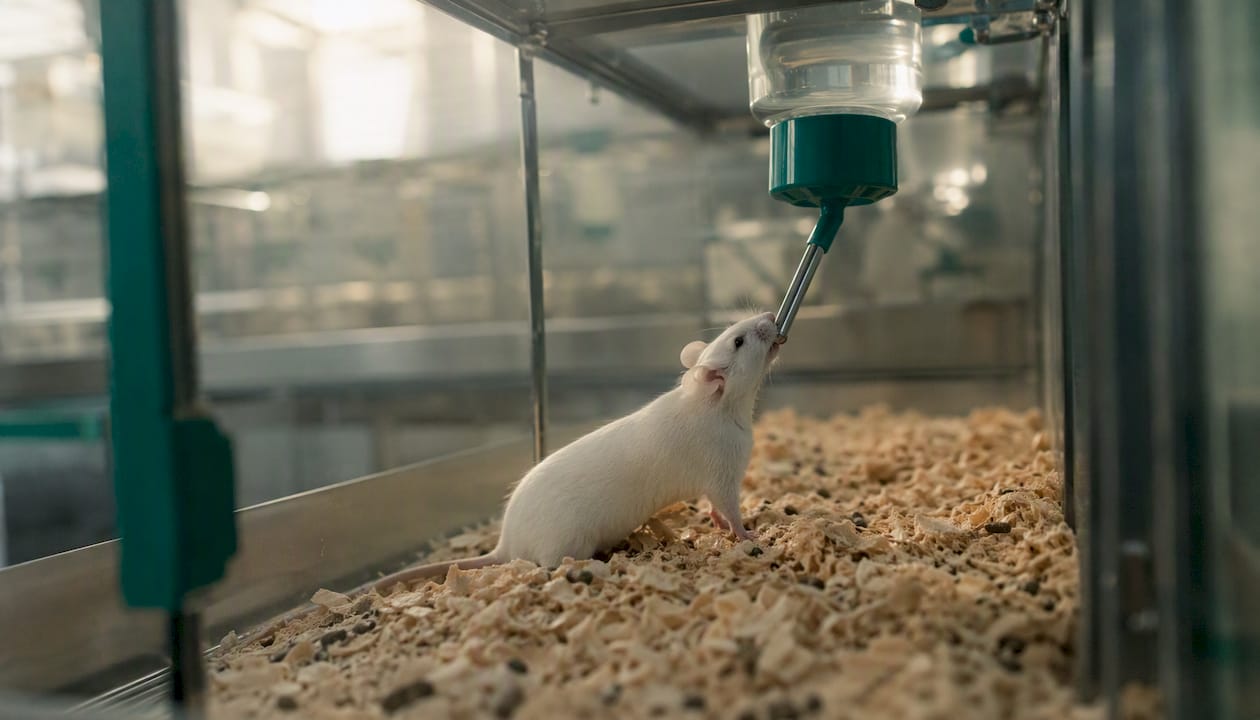
Preclinical data across cachexia, heart failure, renal failure, and inflammatory models consistently show improved weight, food intake, and some organ-level markers with ghrelin agonist treatment, as documented in animal-model literature. Translation to consistent human benefit has been uneven, which is the central challenge for this indication.
Gastroparesis and prokinetic use
Relamorelin (RM-131) produced acceleration of early-phase gastric emptying and reduced symptom scores in small gastroparesis trials, with subcutaneous administration showing the clearest signal. Ulimorelin (TZP-101) showed initial promise as an IV agent for postoperative ileus, but the oral TZP-102 formulation produced mixed results in larger diabetic gastroparesis trials. Published reviews of relamorelin note that early clinical signals are encouraging but that well-powered confirmatory studies are still needed. The primary endpoints that have shown signal are gastric emptying T½ by radioscintigraphy and the GCSI-Daily Diary vomiting subscale; global symptom composite scores have been less consistent.
AGHD diagnostic use
Macimorelin (Macrilen) is the clearest regulatory success in this class. Administered as a single oral dose, it stimulates GH release dose-dependently with defined PK attributes that support a standardized diagnostic protocol. Its tolerability profile is well-characterized, and it offers a practical alternative to insulin tolerance testing (ITT), which requires supervised hypoglycemia. The FDA-approved label specifies the GH cutoff threshold for AGHD diagnosis, making it directly actionable for endocrinologists.
Safety profile and adverse-effect monitoring
The adverse-effect profile of ghrelin receptor agonists is generally predictable from their mechanism, though class-specific risks vary by compound and route.
Common adverse effects across the class:
- Transient hunger and appetite stimulation (most consistent effect; can be a therapeutic target or an unwanted side effect depending on indication)
- Mild dizziness and fatigue, particularly after initial dosing
- Abdominal cramping and nausea, more frequent with prokinetic agents at higher doses
- Flushing, reported with some peptide agonists
Class-specific and metabolic risks:
- GH and IGF-1 elevation: sustained increases from chronic ibutamoren or anamorelin use raise theoretical concerns about insulin resistance and, at very high levels, acromegalic changes. Monitoring GH/IGF-1 is standard in any chronic dosing study.
- Weight gain and fat mass increase: a direct consequence of appetite stimulation; relevant for patients with metabolic syndrome, type 2 diabetes, or obesity, where appetite-driven weight gain may worsen glycemic control.
- Insulin resistance: reported with ibutamoren in longer-term studies; glucose and HbA1c monitoring is warranted.
- Edema and water retention: observed with ibutamoren, likely GH-mediated.
Safety monitoring checklist for clinical and translational studies:
- Pre-treatment: fasting glucose, HbA1c, lipid panel, IGF-1, and body weight/composition baseline.
- On-study (monthly or per protocol): serum GH (peak), IGF-1, fasting glucose, HbA1c, and body weight.
- Symptomatic monitoring: appetite/hunger VAS, gastrointestinal symptom diary, blood pressure (GH-mediated fluid retention).
- Reporting: document all adverse events per IRB protocol and FDA guidance for IND-covered studies; for research-only compounds, follow institutional biosafety and ethics requirements.
Patients with pre-existing metabolic syndrome or insulin resistance require particular caution when appetite stimulation and weight gain are expected outcomes. This is not a contraindication in all cases, but it demands prospective monitoring and pre-specified stopping rules.
This section is a scientific summary for research and clinical planning purposes. Researchers and clinicians must follow applicable IRB protocols and FDA guidance for any clinical application.
Drug development challenges and where the field is heading
The central medicinal-chemistry problem with GHSR1a agonists is pleiotropy. Activating a receptor expressed in the pituitary, hypothalamus, gut, and immune system simultaneously produces GH release, appetite stimulation, prokinetic effects, and immune modulation. For most therapeutic indications, only one or two of those effects are desirable. Separating them requires more than potency optimization.
Primary development challenges:
- Peptide instability and poor oral bioavailability limit the clinical utility of first-generation peptide agonists; SC or IV administration restricts patient populations and trial design.
- CNS penetration is difficult to achieve without also driving hypothalamic appetite circuits, creating an unwanted orexigenic effect in CNS-targeted programs.
- Constitutive GHSR1a activity means that even a neutral antagonist has pharmacological consequences, and lead-optimization programs must characterize intrinsic efficacy, not just binding affinity.
- Receptor desensitization after repeated agonist exposure has been documented in animal models and can obscure chronic efficacy signals in long-duration studies.
Promising strategies:
- Functionally selective (biased) agonism: Designing ligands that preferentially engage Gαq over β-arrestin, or vice versa, is the leading strategy for decoupling prokinetic effects from appetite stimulation. N8279 demonstrates that Gαq bias is achievable in a brain-penetrant small molecule, and its efficacy in dopamine dysregulation models supports the neuroprotective research direction.
- Bitopic and ago-allosteric designs: Ligands that contact both the orthosteric pocket and ECL2/ECD simultaneously can achieve pathway selectivity not available to purely orthosteric compounds. This approach is supported by the structural data reviewed in the Journal of Medicinal Chemistry.
- Nonpeptidic scaffolds: 2-pyridone and quinolone cores offer oral bioavailability and metabolic stability. The tradeoff is that achieving peripheral selectivity to avoid appetite stimulation while maintaining CNS penetrance requires iterative SAR work.
- Peripheral-selective agonists: For gastroparesis programs, restricting receptor engagement to the enteric nervous system and avoiding hypothalamic activation would eliminate the appetite side effect. No compound has fully achieved this, but it remains a design objective.
Pro Tip: Prioritize pathway-selective readouts (parallel Gαq and β-arrestin assays) from the earliest screening stages, and build metabolic safety profiling (glucose tolerance, IGF-1) into your lead-optimization cascade before advancing to in vivo models. Discovering a metabolic liability at the animal stage is far less costly than finding it in a phase I study.
Practical lab notes for investigators using ghrelin agonists
Getting reliable data from GHSR1a agonists in vitro and in vivo depends on assay selection, dose discipline, and material quality. Each of these is a point of failure if not addressed systematically.
Assay selection and interpretation:
- Use iCa²⁺ reporters (Fluo-4, FLIPR Calcium 6) as the primary Gαq functional readout; pair with a NanoBiT or BRET-based β-arrestin recruitment assay to characterize signaling bias.
- Include a reference agonist (ghrelin 1-28 or a validated peptidomimetic) and a reference inverse agonist in every plate to anchor the concentration-response curve.
- Hill slopes greater than 1 in functional assays can indicate cooperative binding, receptor dimerization, or assay-specific artifacts. Confirm with an orthogonal assay format before drawing mechanistic conclusions, as noted in biased-agonist characterization studies.
- Radioligand binding (Ki determination) is necessary for affinity characterization but must be paired with functional data; a high-affinity compound with low intrinsic efficacy is a partial agonist or antagonist, not a lead agonist.
Dose selection for rodent models:
- Start with published EC₅₀ values from the literature as a guide, then bracket with a 3-point dose range (0.1×, 1×, 10× EC₅₀ equivalent) to define the in vivo dose-response.
- Monitor for receptor desensitization in repeat-dose studies; if GH pulse amplitude declines after day 3–5, consider intermittent dosing protocols.
- For translational PK/PD bridging, use allometric scaling with species-specific clearance corrections rather than simple body-weight scaling; peptide clearance rates differ substantially between rodents and humans.
- Use vehicle-matched controls and include a positive control (e.g., GHRP-2 for GH secretagogue studies) to validate the assay system in each experiment.
Sourcing and quality checklist:
- Require a batch-specific Certificate of Analysis (CoA) showing HPLC purity ≥98% and mass spectrometry confirmation of molecular weight. A CoA without both data types is insufficient for publication-grade research.
- For lyophilized peptides, verify recommended storage conditions (typically −20°C or −80°C, desiccated) and confirm the vendor’s cold-chain shipping practices. Activity loss during shipment is a common and underreported source of irreproducible results.
- Request stability data and reconstitution recommendations. Reconstitute in the recommended solvent (often 0.1% acetic acid for ghrelin-related peptides, or bacteriostatic water for longer-term storage after reconstitution) and aliquot immediately to avoid freeze-thaw degradation.
- Verify that the compound is supplied for research use only and is not represented as suitable for human or veterinary administration. Confirm your institution’s requirements for handling research-only compounds and consult your IRB before any study involving human subjects.
For a practical reference on CoA standards and procurement expectations for research-grade peptides, the GHK-Cu procurement guide covers the documentation and verification steps that apply equally to ghrelin-related peptides. The GHRP-2 product page provides an example of the CoA format and purity specifications researchers should expect from a qualified vendor.
An editorial perspective on working with ghrelin receptor agonists
The field has spent two decades trying to translate a compelling mechanism into durable clinical benefit, and the gap between preclinical promise and clinical outcome is instructive. Animal models of cachexia, gastroparesis, and heart failure consistently respond to ghrelin agonist treatment. Human trials have been more equivocal, particularly for gastroparesis, where the endpoint landscape itself has been a moving target.
What the research record actually suggests is that the problem is not the receptor. GHSR1a is a well-validated target with a clear physiological role. The problem has been ligand design: first-generation peptide agonists activate the full receptor signaling profile, producing every downstream effect simultaneously. Appetite stimulation is useful in cachexia but is a liability in a gastroparesis patient who is already managing weight. GH elevation is the goal in AGHD testing but is a safety concern in chronic dosing for other indications.
Biased agonism is not a theoretical solution here. N8279 demonstrates that a small molecule can achieve Gαq selectivity with brain penetrance and produce behaviorally meaningful effects in vivo without the full orexigenic profile. That is a real proof of concept, not just a pharmacological curiosity. The practical implication for researchers entering this space now is to build pathway selectivity into the screening cascade from day one, not as a secondary optimization step. Compounds that look potent in a single-pathway assay but have not been characterized for signaling bias are not leads; they are starting points.
For investigators sourcing research-grade ghrelin agonists, material quality is not a secondary concern. Purity, batch consistency, and documented storage conditions directly affect data reproducibility.
Neolabpeptides supports ghrelin-agonist research with verified materials
Researchers working with ghrelin receptor agonists need materials that hold up under scrutiny: publication-grade purity, documented batch consistency, and clear storage specifications.

Every order ships in lyophilized form with cold-chain-compatible packaging and explicit reconstitution and storage guidance. All compounds are supplied for laboratory research use only and are not approved for human or veterinary administration, consistent with FDA research-chemical guidelines. Neolabpeptides serves research institutions, biotech startups, and individual investigators across the United States with fast domestic shipping and competitive pricing on verified research compounds.
Qualified researchers can visit Neolabpeptides to request batch-specific CoAs, obtain bulk pricing, or contact the technical team with assay and dosing questions before placing an order.
Sources
The sources below represent the highest-value references for researchers who need structural, clinical, or regulatory depth beyond what a primer can provide.
- Advances in the Development of Nonpeptide Small Molecules Targeting Ghrelin Receptor | Journal of Medicinal Chemistry
- Discovery of a functionally selective ghrelin receptor (GHSR1a) ligand for modulating brain dopamine - PMC
- Macimorelin (PubChem)
- Anamorelin (PubChem)
This article is general information, not a substitute for advice from a qualified doctor. Consult a qualified healthcare professional about your own circumstances before acting on anything here.